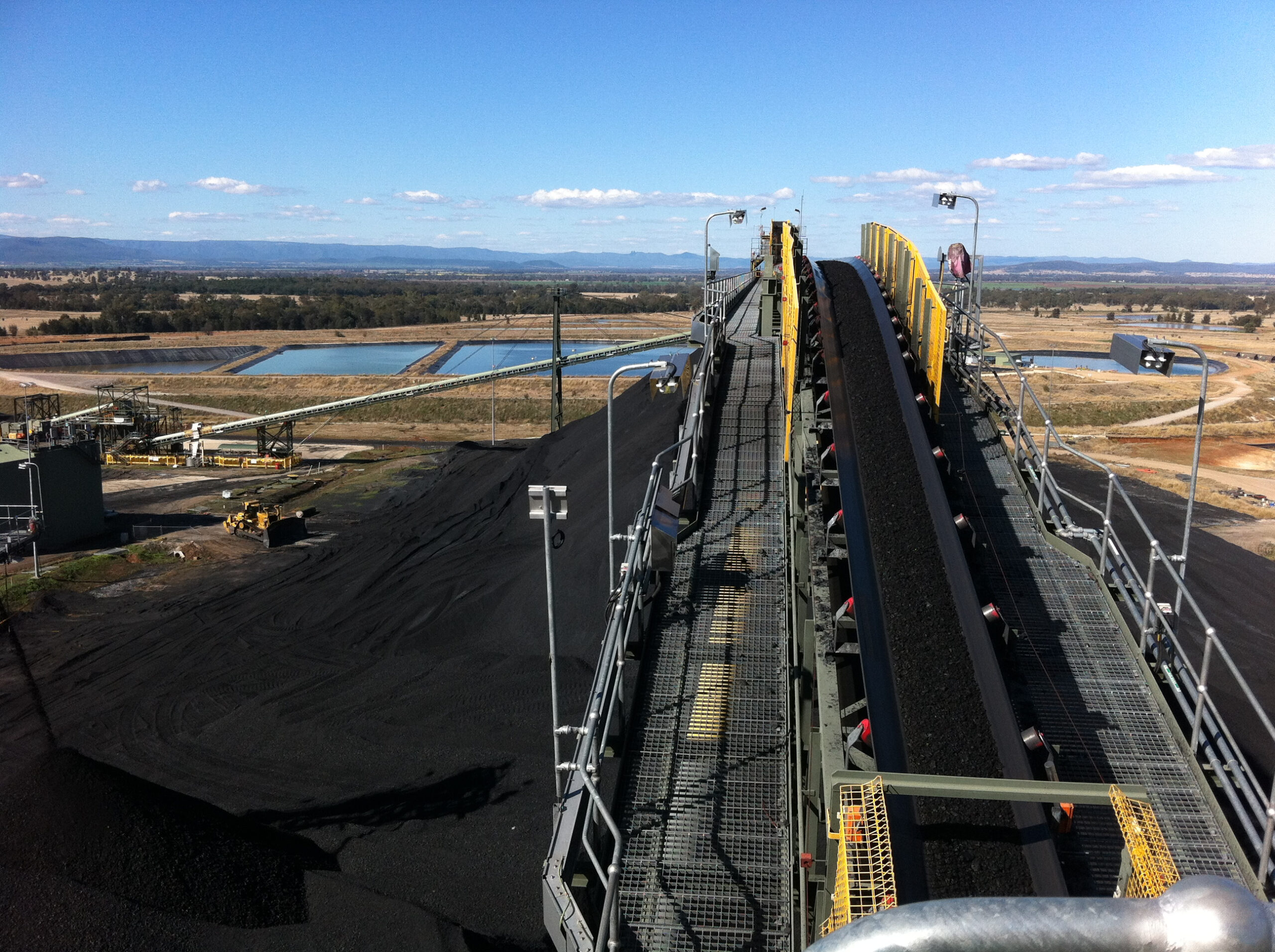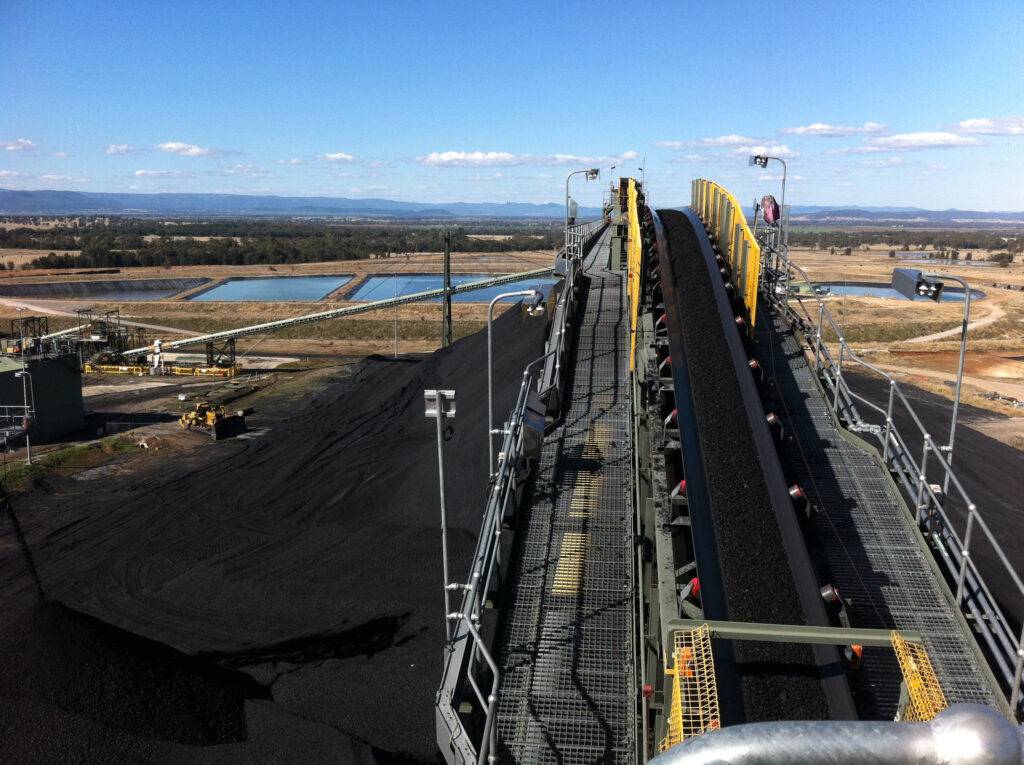
Drivers for Strategy Review
Learn how AssetPRO optimised a coal handling plants maintenance strategy using FMEA and ISO 14224 to improve reliability, reduce failures, and align with risks.
The plant had been operating under a legacy maintenance strategy developed many years prior. Several key issues emerged:
Equipment ageing and increased failure rates
- Inadequate alignment with current operating conditions and requirements
- Outdated Preventive Maintenance (PM) tasks
- Inconsistent failure reporting and root cause analysis
Given these gaps, there was a clear need to re-baseline the Coal Handling Plants maintenance strategy using a structured and standardised framework.
Application of Coal Handling Plants using ISO 14224 for Structured Analysis
We adopted the ISO 14224:2016 standard as the foundation for our Coal Handling Plants maintenance strategy redevelopment. This international standard provides a comprehensive structure for equipment taxonomy, failure modes, cause coding, and maintenance task classification, tailored to the process industries.
Using ISO 14224 ensured consistency across equipment types and allowed integration of structured failure data into the new strategy. It also enabled better traceability of historical issues and benchmarking against industry practices.

FMEA Development with Site Knowledge and Maintenance History
A new Failure Modes and Effects Analysis (FMEA) was developed collaboratively with site engineers, planners, and operators. This ensured that:
- Actual operational context and history informed the analysis
- Critical failure modes were accurately identified and ranked
- Task effectiveness was considered in the risk mitigation
The FMEA covered key systems including conveyors, rotary breakers, centrifuges, vibrating screens, horizontal belt filters, cyclones and large storage bins.
For each function, failure mode, and cause, the consequences were analysed and aligned with potential maintenance actions (preventive, condition-based, or redesign recommendations).
Structured Data for Sustainable Strategy
Structured data collection and review played a central role in validating the new strategy. Pronto maintenance history, breakdown trends, task duration, and resource data were analysed to:
- Identify repetitive failures and inefficiencies
- Quantify the impact of poor maintenance or incorrect task frequency
- Support task interval justification and prioritisation
The output was a technically justified maintenance strategy tailored to site risks, operational needs, and reliability targets.
Output: Updated PM Program and Documentation
All recommended tasks from the FMEA were compiled into structured Preventive Maintenance (PM) documents, aligned to Pronto task lists. These included:
- Clear descriptions of activities
- Frequency and responsible trade
- Estimated duration and required parts or tools
The strategy and documentation was prepared and handed over to the client for implementation into the site’s Pronto system for ongoing scheduling, performance tracking, and continuous improvement.
Outcomes and Benefits
- Improved reliability through targeted maintenance actions
- Reduction in unplanned failures for ageing critical assets
- Standardised approach across equipment using ISO 14224
- Stronger alignment between maintenance tasks and actual risks
- Data-driven decision-making using structured failure and history analysis
Looking to refresh your maintenance strategy? AssetPRO Consulting combines standards-based methods with practical experience to help sites optimise maintenance for ageing assets and evolving operational needs for Coal Handling Plants.